Nutrition Guide
The Importance of a Balanced Diet
A balanced diet is crucial for overall health and well-being. It provides the necessary nutrients to fuel your body, support growth and repair, and prevent chronic diseases. A balanced diet includes a variety of foods from all food groups, ensuring you get the right amounts of vitamins, minerals, protein, carbohydrates, and healthy fats.
Here at WellnessWise, we emphasize a holistic approach to nutrition, recognizing that individual needs vary based on factors like age, activity level, and specific health conditions. Consulting with a registered dietitian is always recommended for personalized dietary advice.
Understanding Macronutrients and Micronutrients
Nutrition revolves around two key categories: macronutrients and micronutrients.
- Macronutrients: These are the nutrients your body needs in larger amounts, namely carbohydrates, proteins, and fats. Carbohydrates provide energy, proteins are essential for building and repairing tissues, and fats support hormone production and cell function.
- Micronutrients: These are vitamins and minerals, needed in smaller quantities but vital for various bodily processes. Vitamins like Vitamin C and D, and minerals like iron and calcium, play crucial roles in immunity, bone health, and energy metabolism.
Prioritizing both macronutrients and micronutrients ensures your body has the necessary building blocks for optimal function.
Healthy Recipe Ideas
Incorporating healthy recipes into your daily routine can be both enjoyable and beneficial for your health. Here are a few ideas to get you started:
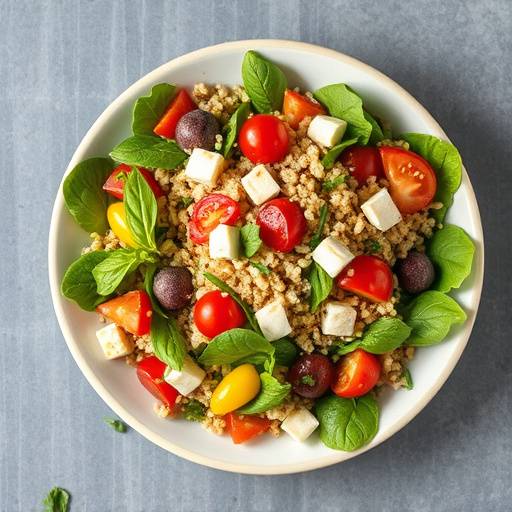
Mediterranean Quinoa Salad
A refreshing and nutritious salad packed with quinoa, cucumbers, tomatoes, olives, and feta cheese. Dressed with a lemon-herb vinaigrette, this salad is a perfect light lunch or side dish. High in protein and fiber, it's a satisfying and healthy option.
View Recipe

Hearty Lentil Soup
A comforting and filling soup made with lentils, vegetables, and spices. This soup is an excellent source of plant-based protein and fiber, making it a great option for vegetarians and vegans. It's also low in fat and calories, perfect for a healthy and warming meal.
View Recipe

Whole Wheat Pancakes with Berries
A healthier twist on classic pancakes made with whole wheat flour and topped with fresh berries. These pancakes are a good source of fiber and antioxidants, providing a nutritious and delicious breakfast option. Serve with a drizzle of maple syrup or a dollop of Greek yogurt.
View Recipe
The Power of Vitamins and Minerals
Vitamins and minerals are essential micronutrients that play vital roles in numerous bodily functions. They support energy production, immune function, bone health, and much more. A deficiency in any essential vitamin or mineral can lead to various health problems.
For example, Vitamin D is crucial for calcium absorption and bone health, while iron is essential for carrying oxygen in the blood. A varied diet rich in fruits, vegetables, and whole grains is the best way to ensure you're getting adequate amounts of these vital nutrients. In some cases, supplements may be necessary, but it's always best to consult with a healthcare professional before starting any new supplement regimen.
| Nutrient | Benefits | Food Sources |
|---|---|---|
| Vitamin D | Supports bone health, immune function, and mood regulation. | Fatty fish (salmon, tuna), fortified milk, egg yolks, sunlight exposure. |
| Iron | Carries oxygen in the blood, supports energy production, and cognitive function. | Red meat, spinach, lentils, fortified cereals. |
| Vitamin C | Boosts immune function, acts as an antioxidant, and aids in collagen production. | Citrus fruits (oranges, lemons), berries, bell peppers, broccoli. |
| Calcium | Supports bone and teeth health, muscle function, and nerve transmission. | Dairy products (milk, yogurt, cheese), leafy green vegetables, fortified plant-based milks. |
| Potassium | Helps regulate blood pressure, muscle function, and nerve transmission. | Bananas, potatoes, spinach, beans. |
Hydration: An Overlooked Nutrient
While we often focus on food-based nutrients, water is arguably the most crucial nutrient of all. Proper hydration is essential for virtually every bodily function, including regulating body temperature, transporting nutrients, and flushing out waste products.
Aim to drink at least eight glasses of water per day, and increase your intake during physical activity or in hot weather. You can also hydrate through foods with high water content, such as fruits and vegetables like watermelon and cucumbers. Dehydration can lead to fatigue, headaches, and impaired cognitive function, so prioritize hydration throughout the day.
Mindful Eating Practices
Beyond what you eat, how you eat can significantly impact your nutrition and overall well-being. Mindful eating involves paying attention to your hunger cues, savoring each bite, and eating without distractions. This practice can help you develop a healthier relationship with food, prevent overeating, and improve digestion.
Try eating in a quiet environment, chewing your food thoroughly, and focusing on the taste and texture. Avoid eating in front of the TV or while scrolling through your phone, as this can lead to mindless eating and overconsumption.
Seeking Professional Guidance
The information provided on WellnessWise is intended for educational purposes and should not be considered medical advice. Every individual has unique nutritional needs, and consulting with a registered dietitian or healthcare professional is essential for personalized guidance.
A qualified professional can assess your individual health status, dietary habits, and lifestyle factors to develop a tailored nutrition plan that meets your specific needs. They can also provide support and accountability to help you achieve your health goals.
"Let food be thy medicine, and medicine be thy food." - Hippocrates