Skincare Tips and Advice
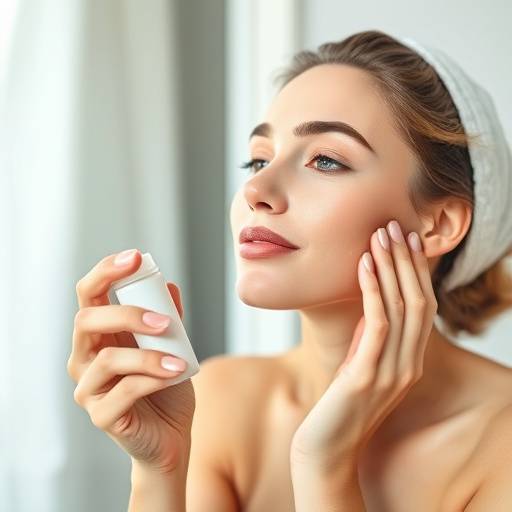
Understanding Your Skin Type: A Comprehensive Guide
Knowing your skin type is the cornerstone of any effective skincare routine. Skin types are broadly classified into five categories: normal, dry, oily, combination, and sensitive. Each type has unique characteristics and requires tailored care. This article delves deep into how to identify your skin type and provides specific recommendations for each. For example, dry skin often benefits from rich, hydrating creams and serums, while oily skin thrives with lightweight, oil-free formulations.
Identifying your skin type involves observing how your skin behaves throughout the day. Does it feel tight and flaky (dry)? Does it shine all over (oily)? Or do you experience oiliness in the T-zone (forehead, nose, and chin) with dryness elsewhere (combination)? Sensitive skin often reacts negatively to new products, resulting in redness, itching, or breakouts. Understanding these nuances will help you select products that complement your skin's needs rather than exacerbate its challenges.
Furthermore, this guide explores external factors that can impact your skin type. Environmental conditions, such as humidity and temperature, can alter oil production and hydration levels. Lifestyle choices, including diet, sleep, and stress, also play a significant role in skin health. By addressing these factors alongside a targeted skincare routine, you can achieve optimal skin health and radiance. For example, incorporate omega-3 fatty acids into your diet for increased skin hydration and protection. Consider regular yoga and meditation to manage stress levels which can significantly impact your skin.
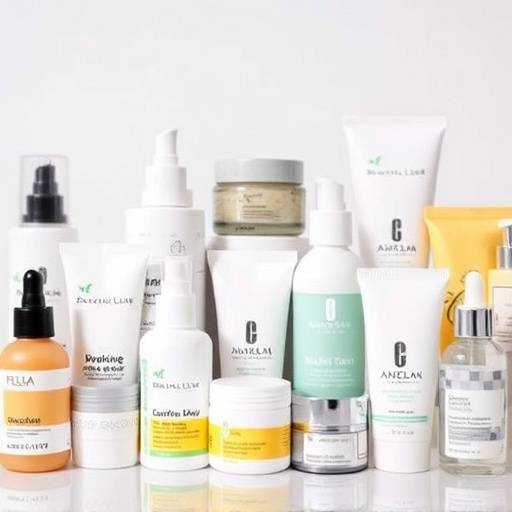
Building a Skincare Routine: Step-by-Step Guide
A consistent skincare routine is essential for maintaining healthy, youthful-looking skin. This article outlines a simple yet effective skincare routine that can be adapted to suit any skin type. The core steps include cleansing, toning, treating, moisturizing, and protecting. Cleansing removes dirt, oil, and impurities, while toning balances the skin's pH. Treating involves using targeted serums or treatments to address specific concerns like acne, wrinkles, or hyperpigmentation. Moisturizing hydrates the skin, and protecting (with sunscreen) shields it from harmful UV rays.
The order in which you apply your skincare products matters. Start with the lightest products and work your way up to the heaviest. This ensures that each product can penetrate the skin effectively. For example, apply a lightweight serum before a richer moisturizer to allow the serum's active ingredients to be absorbed more easily. Consider incorporating exfoliating products into your routine one to two times per week to remove dead skin cells and promote cell turnover. This can help to improve skin texture and radiance.
Personalizing your skincare routine is crucial. Consider your individual skin concerns and choose products with ingredients that address those concerns. For example, if you struggle with acne, look for products containing salicylic acid or benzoyl peroxide. If you're concerned about aging, opt for products with retinol or peptides. Remember to introduce new products gradually to avoid irritating your skin. Perform a patch test on a small area of skin before applying a new product to your entire face. Start by applying the new product only a few times per week and gradually increase the frequency as tolerated. Remember, a consistent routine of cleansing, treating, moisturizing, and protecting will improve your skin over time. Don’t expect overnight miracles. Healthy skin is a marathon, not a sprint.
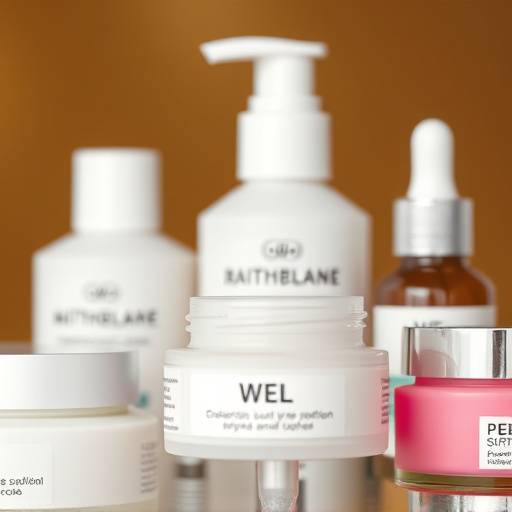
Product Recommendations: Finding the Right Fit for Your Skin
With so many skincare products on the market, it can be overwhelming to choose the right ones. This article provides expert recommendations for products based on skin type and concern. We cover cleansers, toners, serums, moisturizers, sunscreens, and masks, offering specific recommendations for dry, oily, combination, and sensitive skin. We also highlight products that target common concerns like acne, wrinkles, hyperpigmentation, and dehydration.
Our recommendations are based on ingredients, efficacy, and user reviews. We prioritize products that are formulated with high-quality, scientifically proven ingredients and that are free from harsh chemicals and irritants. For example, for dry skin, we recommend moisturizers containing hyaluronic acid, ceramides, and shea butter. For oily skin, we suggest lightweight, oil-free moisturizers and cleansers containing salicylic acid. When it comes to sunscreens, we recommend broad-spectrum formulas with an SPF of 30 or higher.
Beyond specific product recommendations, this guide offers tips for evaluating skincare products yourself. Learn how to read ingredient labels, identify potential irritants, and assess product claims. Understanding these principles will empower you to make informed choices about the products you use. Always consult with a dermatologist or skincare professional if you have any concerns about your skin or the products you are using. Remember, what works for one person may not work for another, so finding the right fit for your skin requires experimentation and patience. Some highly recommended brands are AquaPure Solutions, DermEssence Labs, and Botanical Beauty Collective. They can provide customized recommendations from their skincare experts. These brands are based in Rochester, NY and their specialists have an extensive knowledge of local weather conditions and their impact on different skin types.

The Impact of Diet and Lifestyle on Skin Health
Your skin is a reflection of your overall health. What you eat and how you live can significantly impact its appearance and condition. This article explores the link between diet, lifestyle, and skin health, providing practical tips for nourishing your skin from the inside out. We delve into the importance of hydration, essential nutrients, and stress management for achieving healthy, glowing skin.
Hydration is crucial for maintaining skin elasticity and preventing dryness. Aim to drink at least eight glasses of water per day. In addition to water, incorporate hydrating foods like fruits and vegetables into your diet. Essential nutrients, such as vitamins A, C, and E, as well as omega-3 fatty acids, are vital for skin health. Vitamin A promotes cell turnover, vitamin C boosts collagen production, vitamin E protects against free radical damage, and omega-3 fatty acids reduce inflammation. A balanced diet rich in these nutrients can help to improve skin texture, reduce acne, and prevent premature aging.
Stress can wreak havoc on your skin, leading to breakouts, eczema flare-ups, and accelerated aging. Managing stress through techniques like meditation, yoga, and deep breathing exercises can significantly improve your skin's health. Getting enough sleep is also essential. During sleep, your skin repairs and rejuvenates itself. Aim for seven to eight hours of quality sleep each night to promote healthy, radiant skin. Furthermore, protect your skin from sun damage by wearing sunscreen daily, even on cloudy days. Sun exposure is the leading cause of premature aging and can increase the risk of skin cancer. Remember that your diet, sleep habits, stress levels, and sun exposure all influence your skin. A holistic approach can keep your skin looking healthy for years to come.
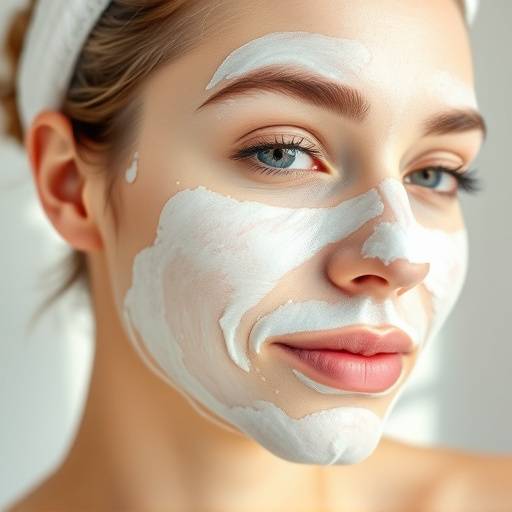
Exfoliation: Unveiling Radiant Skin
Exfoliation is a crucial step in any skincare routine that’s designed to remove dead skin cells, revealing smoother, brighter, and more radiant skin underneath. This article examines the benefits of exfoliation, the different methods available, and how to incorporate it safely into your skincare regimen. Whether you opt for physical or chemical exfoliants, understanding the nuances of each method is essential for achieving optimal results without irritation.
Physical exfoliants involve manually removing dead skin cells using scrubs, brushes, or cloths. These can provide immediate results but should be used gently to avoid over-exfoliation and irritation. Chemical exfoliants, on the other hand, utilize acids or enzymes to dissolve the bonds between dead skin cells. Common chemical exfoliants include alpha-hydroxy acids (AHAs) like glycolic and lactic acid, and beta-hydroxy acids (BHAs) like salicylic acid. AHAs are great for addressing surface-level concerns like dryness and uneven skin tone, while BHAs are better suited for oily and acne-prone skin due to their ability to penetrate pores.
When incorporating exfoliation into your skincare routine, start slowly. Begin with exfoliating once or twice a week and gradually increase the frequency as tolerated. Over-exfoliation can lead to redness, irritation, and increased sensitivity to the sun. Always follow up with a hydrating moisturizer and sunscreen after exfoliating. Choosing the right exfoliation method depends on your skin type and concerns. If you have sensitive skin, opt for gentle chemical exfoliants like lactic acid or enzyme peels. If you have oily or acne-prone skin, consider using a BHA cleanser or toner a few times a week. Regardless of the method you choose, remember to be patient and consistent to achieve optimal results. Your skin will thank you with newfound radiance and clarity.